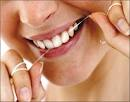
Showing posts with label flossing. Show all posts

Thursday, January 28, 2016

Healthy Smile Series: Part 2 of Things your dentist WANTS you to know.

Sugary and starchy foods literally feed the bacteria that eat away at your enamel and cause cavities.

When it’s metabolized it becomes acid that attacks your teeth, causing tooth decay and gum disease
But It’s not as simple as avoiding all sweets — fruits can be huge culprits, too. And actually dark chocolate isn’t so bad, since it contains flavonoids, polyphenols, and tannins, which promote dental health. Things that don’t harm your teeth as much include cheeses and dairy, which rinse off easily, and non-acidic vegetables and meat.

The more times you eat during the day without brushing in between, the faster decay will happen.

It is not just what you eat, but how often you eat that influences teeth decay. Every time you eat, you create an environment for bacteria to attack your teeth because they also eat that food residue and produce acid.

If you are snacking all day — or sipping on that big iced coffee — you are hardly giving your teeth a rest from little acid attacks. Instead, stick to a normal four-meal schedule and finishing sugary drinks or coffee within 30 minutes, then switching to water.

A chip in your teeth, no matter how small, is super vulnerable to tooth decay.

When the tooth chips, the dentin — a softer bone-like tissue that covers root — becomes exposed. Unlike enamel, which is our tooth’s natural defense against decay, dentin will rapidly decay when bacteria gets inside the chipped part of the tooth. Even if the chip is tiny, do not ignore it — get it fixed right away or else it will become 10 times worse.

If you don’t get fluoride from water or toothpaste, you risk getting 20-40% more cavities.

There is a lot of debate about fluoride, but researchers have proven that fluoride prevents decay.  The best way to get fluoride is ingesting it in water because it gets in your bloodstream and works from inside the tooth — it is nature’s cavity fighter.

Ingesting fluoride and using fluoride toothpaste or rinses has been proven to reduce up to 40% of tooth decay.

If you have kids, make sure to pass these cleaning habits along ASAP, because dental decay is one of the most common chronic childhood illnesses.

Dental decay is about five times more common than asthma in children. It is considered a chronic childhood illness because poor dental hygiene habits at a young age can lead to serious tooth decay, gum disease, and bone or tissue loss in the future.

Poor dental health can affect your overall health, too.

Gum disease, cavities, and tooth loss are obviously painful and uncomfortable conditions, but losing any kind of function of your teeth also makes eating and using your mouth more difficult. There has been research that links gum disease and low-birth weight babies, and some studies which show a connection between gum disease bacteria and heart disease. Overall, having a healthy mouth and teeth is critical to having good health in general.

And even if you take great care of your teeth, you still need to see a dentist regularly.

Even if you are a fabulous brusher and flosser and it looks like you have amazing teeth, most of us are not perfect. Dentists can see a lot of things you cannot including the inside of your teeth with X-rays and more importantly, they can help you address your own needs.

Everyone is different and requires a somewhat unique cleaning routine or products depending on their problems. Schedule you dental visit today to find what you should be doing to keep your smile and yourself healthy.

Reference: BuzzFeed; Nylaan Dental 
Brian S. Nylaan, D.D.S.

Thursday, July 16, 2015

Healthy Smile Series: Water Flosser ~ Helping you achieve bacterial reduction

  It reduces the periodontal infection


One of the primary benefits of the Water Flosser is that the pulsating action creates a compression / decompression phase that expels subgingival bacteria from the pocket.

    It reduces the inflammation

Study after study, many of six months duration has shown that people who add the Water Flosser to daily self-care do better at reducing bleeding and gingivitis than people who do not use the Water Flosser.

   It helps people with diabetes

People with diabetes tend to be at greater risk for periodontal disease and often have more severe gingival inflammation. A study on people with diabetes found that those who used the Water Flosser for three months had a 44% better reduction in bleeding and a 41% better reduction in gingivitis over those who did not use the Water Flosser.

   It is safe and gentle around dental implants

Maintenance of implants is critical to their long-term survival.

    There is nothing better for cleaning around orthodontic (braces) appliances

Keeping orthodontic (braces) appliances clean can be tedious and challenging. Water Flossing makes it easier. Adolescents age 11 -17 who used a Water Flosser with the Orthodontic Tip very day for four weeks had three times the reduction in plaque versus those who used a manual brush and floss and fives times the reduction than those who only brushed.

    It gets deeper into the pocket that string floss

Findings indicate that using the Water Flosser with the Classic Jet Tip results in penetration of approximately 50% of the depth of the pocket. In contrast, it is widely accepted though not scientifically documented that ideally, floss reaches about 3 mm due to technique / anatomical constraints.

   It removes plaque

A study at the University of Southern California Center for Biofilms found that a three-second application of water flossing with the Classic Jet Tip at medium pressure removed 99.9% of the plaque biofilm from the treated area.

    It is easy to use

Using the Water Flosser is easier than string flossing because it requires less manual dexterity. It takes about one minute to cleanse the entire mouth. Beyond the initial investment, all you need is water, although the Water Flosser can accommodate most mouth rinses.

    It is a clinically proven effective alternative to string floss

Studies have directly compared the Water Flosser to string floss. The Water Flosser with the Classic Jet Tip was up to 93% more effective at reducing bleeding and up to 52% more effective at reducing gingivitis than string floss. Plaque removal was also better.

    It is evidence based

The Water Flosser has been evaluated more than 50 times since its introduction in 1962. Clinical findings reducing bleeding and gingivitis are supported by positive outcomes from more than 20 clinical trials.

 Reference: RDH magazine

For more information visit our website; Office of Brian Nylaan facebook page; or Brian S. Nylaan, D.D.S. facebook page.

Schedule an appointment.

Thursday, June 25, 2015

Healthy Smile Series: Four important steps to maintain a healthy smile

Unhealthy gums increase your risk for heart disease, stroke and diabetes. Here are four things you should do everyday to give you an advantage to your long term health:

1. Brush Correctly.  

Using a soft toothbrush, brush at least twice a day for two minutes. Clean every surface, including your tongue, using a circular massaging motion. Be gentle - receding gums are often the result of brushing too hard.

2. Flossing is not an option. 

If you do not floss you are missing more than a third of your tooth surfaces. Flossing daily removes bacteria and food residue that you cannot reach with a toothbrush. 

3. Kick the habit. 

Tobacco stains your teeth, causes bad breath and can lead to gum disease, tooth loss and oral cancer. Tobacco use is said to be responsible for almost 75% of periodontal diseases among adults. 

4. Call our office. 

Proper home care when teamed with regular cleanings and evaluations will benefit your overall well being. Visit us today for a healthier tomorrow !. 

Brought to you by Nylaan dental team.


Thursday, March 26, 2015

Healthy Smile Series: Don’t cry foul!

Bad breath is treatable

A lot of people are embarrassed by bad breath, but it is a problem that can usually be solved. Certain foods and beverages can cause bad breath. When strong foods like onions and garlic are the cause, bad breath is only temporary. However, some people suffer from more permanent and lasting breath problems.

The causes of bad breath


Most bad breath, also known as halitosis, is caused by incomplete or insufficient oral hygiene, along with eating foods that contribute to bad breath. What you eat affects the air you exhale. Certain foods contribute to bad breath. Once the food is absorbed into the bloodstream, it is transferred to the lungs, where it is expelled.

Brushing, flossing and mouthwash will mask the odor only temporarily. Odors continue until the body eliminates the food. Dieters may develop unpleasant breath from infrequent eating.

Dry mouth


Another common cause of bad breath is dry mouth, which happens when the flow of saliva decreases. Saliva is necessary to cleanse the mouth and remove particles that may cause odor. Dry mouth happens naturally when you sleep. You may refer to it when you wake as “morning breath.” It is generally worse in those people who are “mouth breathers” or sleep with their mouths open and those who tend to snore more often.

Dry mouth also may be caused by certain medications, salivary gland problems, cancer chemotherapy, or head and neck radiation treatments. It also is simply more common to have dry mouth as you age. If you suffer from dry mouth, your dentist may prescribe artificial saliva or suggest using sugarless candy and increasing your fluid intake.

And smokers? Almost all people who use tobacco have bad breath. Talk to your dentist about ways to kick the habit.

Gum disease


Bad breath also may be a sign that you have other mouth issues, such as tooth decay or gum disease. One of the warning signs of gum disease is bad breath or a bad taste in the mouth. Gum disease is caused by plaque, the sticky, colorless film of bacteria that constantly forms on teeth.

The bacteria create toxins that irritate the gums. In the advanced stage of the disease, the gums, bone and other structures that support the teeth become damaged. With regular dental checkups, your dentist can detect and treat gum disease early. Sometimes, bad breath can be a sign of a more serious health issue. If your bad breath has a particular reoccurring odor; perhaps fishy, fruity or like ammonia, you might need to see your physician.

Diagnosis and treatment


When you eat, minute particles of food get trapped between your teeth and in tiny grooves and bumps on your tongue. That’s why proper brushing and flossing are the first line of defense against bad breath.

Many people use mouthwash to combat bad breath, but most over-the counter rinses are just a temporary mask and do not solve the underlying problem. Your local West Michigan Dental Society member dentist may recommend a medicated mouthwash instead. With good care on your part and professional care from your dentist, you can combat bad breath and enjoy life with confidence.

Brought to you by the 600 members of the West Michigan District Dental Society in Kent, Ottawa, Ionia, Montcalm and Mecosta counties. West Michigan District Dental Society dentists are also members of the Michigan Dental Association.

For more information visit our website; Office of Brian Nylaan facebook page; or Brian S. Nylaan, D.D.S. facebook page.

Schedule an appointment.


Thursday, December 18, 2014

Healthy Smile Series: Reduce your risk of tooth decay


Americans consume foods and drinks that are high in sugar and starches more than ever before. Alarmingly, a steady diet of sugary foods and drinks can ruin teeth, especially among those who snack throughout the day. Grazing habitually on foods with minimal nutritional value, and frequently sipping on sugary drinks — such as pop, energy drinks and juice — all have a tendency to contribute towards tooth decay and send you straight to the dentist.

Sugar on teeth supplies food for bacteria, which produces acid. The acid in turn can eat away the enamel on teeth. Almost all foods have some type of sugar that cannot and should not be eliminated from our diets. Many of them contain important nutrients and add enjoyment to eating. But there is extra risk for tooth decay if your diet is high in sugars and starches. Starches can be found in everything from bread to pretzels to salad dressing, so read labels and plan carefully for a balanced, nutritious diet.

Some ways you can reduce your risk of tooth decay:

  • If you choose to consume sugary foods and drinks, do so with meals.
  • Limit between-meal snacks.
  • Drink more water.
  • Brush your teeth twice daily and floss daily.
  • See your dentist regularly.

Brought to you by the office of Brian S. Nylaan, D.D.S

Tuesday, April 15, 2014

How often should I floss my teeth ?

  We were asked by a patient today when the best time of day to floss is and how often? Most dentists stress that patients should be flossing their teeth daily.  For people with a high decay rate, it is a good idea to do it more than once a day.

Our dentist recommends that most patients floss at night after brushing their teeth. For those with a high decay rate, it would be beneficial to brush, floss and then brush after every meal.


How to Floss – Daily flossing is the best way to clean between the teeth and under the gumline.  Flossing not only helps clean these spaces, it disrupts plaque colonies from building up, preventing damage to the gums, teeth, and bone.
  1. Take 12-16 inches (30-40cm) of dental floss and wrap it around your middle fingers, leaving about 2 inches (5cm) of floss between the hands.
  2. Using your thumbs and forefingers to guide the floss, gently insert the floss between teeth using a sawing motion.
  3. Curve the floss into a “C” shape around each tooth and under the gumline.  Gently move the floss up and down, cleaning the side of each tooth.

Floss holders are recommended if you have difficulty using conventional floss.
Brought to you by the office of Brian S. Nylaan, D.D.S.

Thursday, December 5, 2013

Dental Cleanings and Prevention

Importance of regular dental teeth cleanings and dental exams.

We recommend that you have a routine dental cleaning to remove plaque and tartar from your teeth. Plaque is a sticky, colorless film of food and bacteria that forms constantly on your teeth. A routine dental teeth cleaning is often called a prophylaxis.

Even when you brush and floss your teeth properly every day, some plaque remains on your teeth and hardens to become tartar. Tartar can be removed effectively only with a professional teeth cleaning. It is important to remove plaque and tartar because they are the main cause of tooth decay and gum disease.

A dental exam every six months is recommended in order to identify and prevent a variety of oral health problems.

A regular check-up includes a complete visual exam of your mouth. We check for decay on the biting surfaces of teeth, signs of wear, cracks, or other problems with restorations such as fillings and crowns.

In addition, we check the color and contours of your gums. Red, swollen gums are often signs of gingivitis or periodontal disease. We use a periodontal probe to check the depth of the spaces between your teeth and gums. Readings deeper than 3 millimeters often indicate periodontal disease.
We also diagnose any sores or lesions on the soft tissues of your mouth, screening them for signs of oral cancer.

Other conditions cannot be easily seen, so we often take x-rays. X-rays show us decay between and inside the teeth and tartar on the teeth and tooth roots. X-rays also show us signs of periodontal disease, such as the loss of bone around the teeth. In addition, x-rays allow us to see cysts, abscesses, and other problems.


We may also examine your jaw joint to help diagnose problems with your bite or TMJ. Sometimes check-ups include additional treatments based on your individual situation.

Regular check-ups are important because neglecting dental conditions can lead to much more serious problems, such as-
  • Infected teeth.
  • Tooth loss and shifting teeth.
  • Receding gums.
  • Loss of bone in the jaw.
  • Painful jaw joints.
With regular dental exams and dental cleanings, we can detect problems early and help you maintain your oral and overall health.


Schedule a dental visit.

Wednesday, March 20, 2013

10 Bad habits that can harm your teeth


Are you wrecking your teeth without even knowing it? If you suck your thumb or suck on lemons, you’re doing your pearly whites wrong. And did you know that biting your nails is not only bad for your fingers, it can actually hurt your teeth, too?

While some of these dental health “don’ts” can do immediate damage to your teeth (by cracking or breaking them), the effects of others may add up over time, harming your dental health in the long run. So put all 10 of these bad habits to rest — for your teeth’s sake.


Thumbs Down on Thumb Sucking


Children who still suck their fingers or thumbs after their permanent teeth start coming in — usually around the age of 5 or 6 — could be causing permanent changes that affect tooth and jaw structure. Specifically, thumb sucking can cause a misalignment of the teeth, explains Richard Price, DMD, a retired dentist from the Boston area who is a consumer advisor and spokesperson for the American Dental Association. This misalignment can lead to a number of issues, including difficulty chewing and breathing problems — so help wean your child off his thumb.
 

Lay Off the Lemons


People who suck lemons may be putting their dental health in jeopardy. Why? Lemons are very acidic, says Elisa Mello, DDS, a cosmetic dentist at NYC Smile Design in New York City. "The acidity corrodes the enamel [of the teeth]." Repeated exposure to acidic substances can cause tooth enamel to erode, creating a rough texture on the surface of your teeth, adds Dr. Price.


Don't Brush Too Hard 


Brushing your teeth regularly is part of good oral hygiene, but if you brush too vigorously, you can cause more harm than good. Brushing your teeth too hard can wear down enamel, irritate your gums, make your teeth sensitive to cold, and even cause cavities. To avoid these problems, Price recommends using a soft bristled toothbrush. "Just look for the letters ADA [American Dental Association] on the box, which means the bristles are firm enough to remove plaque, but soft enough not to cause damage," he advises.


Refrain From Jaw Clenching and Tooth Grinding


For some people, stress can trigger frequent clenching of the jaw or grinding of the teeth. "There is a severe amount of pressure on your teeth when you do that, and you can get microfractures or actual fractures in your teeth," warns Dr. Mello. Microfractures are weakened areas in your teeth that puts them at risk for further damage. Jaw clenching or tooth grinding can also damage dental work.


Do You Crunch on Ice? Cool It 


Ice cubes may seem harmless, but Price has these words of advice: "Beware of the killer cube." The cold temperature and the hardness of ice cubes can cause serious damage to your teeth. "Our teeth are designed to crush through things, not against something," says Mello. Even though crunching ice with your teeth may be easy, keep in mind, says Price, that "your blender needs special blades to crush ice."


Your Teeth Are Not a Tool


Many people use their teeth to break off a tag on clothing, rip open a package of potato chips, or even unscrew bottle tops. But according to Price, teeth are meant to help us do three things: Chew food, speak properly, and look better when we smile. "Teeth are not pliers, teeth are not hooks," he says. Using your teeth as a tool is a threat to dental health and can damage dental work or cause your teeth to crack.


Don't Park Your Pencil Between Your Teeth


Some people have a habit of holding objects — such as pens, pencils, or eyeglasses — between their teeth when concentrating on a difficult task. But they might not realize how much pressure they’re placing on their teeth as they bite down on a non-food object, says Mello. Biting on a pen or a similar object can cause your teeth to shift or even crack. "[It can also] break existing dental work that you have in your mouth," warns Mello.


Boycott Nail Biting


Biting your nails doesn't just harm the appearance of your hands — it can also damage your teeth and become an oral hygiene issue. "People who bite their nails usually do it chronically," notes Mello. Regularly biting your nails can cause your teeth to move out of place. In addition, nail biting could potentially cause teeth to break or tooth enamel to splinter.


Say No to Soda 


Always have a soda on hand? Carbonated drinks can be bad for your teeth, because they tend to be very acidic. "Even if it's diet, the acidity of [soda] is just corroding your enamel," Mello says. The effects of soda on teeth are even worse if you slowly sip it over a long period of time. "People don't realize they are bathing their teeth in acid for an hour," she adds. The acidity in soda can lead to dental health problems such as decay around your gum line and loss of enamel.
 

Use Toothpicks Carefully


When used properly, toothpicks can help keep the areas between your teeth clean. "If you do it carefully, [using toothpicks] is helpful," says Mello. "If you don't, you are going to hurt your gum tissue." So be careful not to get too aggressive with that toothpick in your quest for oral hygiene. According to Mello, nothing you do to your teeth or gums should ever hurt — if it does, it may be damaging your teeth.

 
Request an appointment to ensure that your teeth are healthy.
 
reference: everyday health


Thursday, September 20, 2012

Bad Breath: 5 Causes and 5 Cures

How to restore your fresh breath—and relationships
Wondering why your loved ones are giving you more personal space than you’ve asked for? Suspicious about the Altoids left on your desk with dental floss bows? If you’re one of 90 million Americans suffering from chronic bad breath, here are some of the possible causes, as well as remedies to restore your fresh breath—and relationships.
 
Top 5 Causes of Bad Breath
 
1. A dirty mouth
“Ninety percent of mouth odors come from mouth itself—either from the food you eat or bacteria that’s already there,” says Dr. Richard H. Price spokesman for American Dental Association. “Mouth odor is like any other body odor—the result of microbes living in the body giving off byproducts.” In the mouth, this means bacteria that normally live in the mouth interact with food particles, blood, tissue, etc., to create volatile (i.e., stinky) sulfur compounds. If you don’t clean properly, the bacteria build up, and next thing you know—that’s not toothpaste on your tongue.
 
2. A mouth out of balance
Certain mouth conditions can exacerbate bacterial growth and odor, such as gum disease and dry mouth. Gum disease causes bloody gums, creating more elements for those pesky bacteria to putrefy. But it is a dry mouth that is the more common cause of bad breath. Saliva helps flush out the mouth, keeping bacteria moving so they don’t settle down and multiply, while drier mouth is a breeding ground for bacteria. In spring and summer, allergy medications can dry you out; in winter, dry heat tends to be the culprit.
 
3. Stinky foods
If it stinks going in, chances are it’s going to stink coming out. The obvious offenders are onions, garlic, alcohol and tobacco. And foods don’t only create a stench in the mouth. “Plant oils are absorbed and the byproducts enter your bloodstream so you are actually breathing the odors out via your lungs three to four hours later,” says Jeannie Moloo, a registered dietitian and spokeswoman for the American Dietetic Association. [Fulldisclosure: Moloo is the author’s cousin.]
 
4. Not enough carbs
You look great after four weeks on Atkins, so how come you still can’t get a date? High-protein, low-carb diets cause your body to burn stored fats for fuel instead of carbs and can lead to a condition called ketosis. “As fat burns, ketones build up in the body, and some are released through breath,”explains Moloo. “Unfortunately ketones don’t smell particularly good.” And bad breath trumps six-pack abs.
 
5. Illness
Occasionally, bad breath can be a sign of a more serious illness. The most common systemic causes of bad breath are diabetes or GERD (or gastro esophageal reflux disease). Diabetes can also cause ketosis, and the resulting bad breath is sometimes one of first symptoms that lead to diagnosis. GERD is a backflow of acid from the stomach to the esophagus. Less common but possible are liver or kidney disease—when toxins from these organs are excreted through the lungs, causing bad breath.
 
Top 5 Cures
 
1. Keep it clean
Gum, breath mints, mouthwash… these are all helpful stopgaps, but they won’t cure bad breath. The way to get rid of bad breath for most of us is to brush, floss and tongue scrape twice a day. Yes, for fresh breath, the key is tongue scraping. “You can brush and floss till the cows come home, but it won’t help unless you get way back,” says Price of the American Dental Association. A tongue scraper is available at most drugstores. Price swears it helped him when he was suffering from bad breath (not something you want in your dentist, he points out). “Now I smell like a petunia,” he says. “For most of us, brushing, flossing and tongue scraping twice a day will control bad breath.”
 
2. Keep it moist
The best way to keep the right saliva balance is to drink plenty of water or liquids. To prevent dry mouth in winter, use a humidifier. If you snore or suffer from postnasal drip, try saline nasal spray to keep nasal passages moist.
 
3. Watch what you eat
Avoiding the main offenders (onion, garlic, tobacco, coffee, etc.) is the best way to avoid food-related bad breath. Dietitian Moloo also cites research that suggests certain foods can help: “Two cups of tea a day can prevent bad breath for some. The polyphenols, a plant chemical in tea, may prevent growth of bacteria responsible for bad breath.” You can also chew parsley, which seems to curb offending smells from other foods and bacteria. And cranberries may eliminate offensive smells and make the bacteria less sticky, which makes plaque less likely to form. Price says sugarless gums that contain xylotol may kill some bacteria and help reduce plaque.
 
4. Eat some carbs
Apparently the only way to help the ketosis caused by low-carb diets is… to eat some carbs. Moloo recommends fruits, vegetables and whole grains over frosted doughnuts.
 
5. See your doctor
If tongue scraping and carbo-loading doesn’t do the trick, check with your doctor to see if he or she suspects a more serious cause. Diabetes, GERD or other diseases require specific diagnoses and treatments.
 
Reference : MSN Healthy Living

Thursday, September 6, 2012

Brushing your teeth for two full minutes is the best for your health. Here are some great ways to encourage your child, and yourself, to brush for two minutes.

Just in time for new back to- school routines, the Ad Council, along with the American Dental Association, has launched Kids’ Healthy Mouths to teach parents and children about the importance of oral health.

It is part of The Partnership for Healthy Mouths Healthy Lives, a coalition of leading oral health organizations committed to improving children’s oral health so that they can develop into healthy, productive adults.

The Kids’ Healthy Mouths website, 2min2x.org, features fun facts, lots of helpful resources and links to 14 two minute videos produced by Cartoon Network and My Kazoo.

This new public service campaign stresses the importance of brushing for two minutes twice a day.

Many people do not know that tooth decay is the most common chronic childhood disease, with more than 16 million kids are suffering from untreated tooth decay in the U.S. The mouth is the gateway to a person’s overall health, and an unhealthy mouth can be associated with obesity, diabetes, oral cancer and other medical conditions.

Parents report their children usually waste more than two hours each day playing video games, texting or watching videos online. The campaign highlights the necessary balance of children’s time: If your child spends hours on playtime, why shouldn’t they spend two minutes taking care of their teeth?

“The dental profession hopes that this simple message will have a positive and long-lasting impact on children’s oral health and overall health,” according to the local dental society president, Dr. Tyler Wolf. “Most oral health problems are preventable using steps that can easily become a part of every child’s daily routine,” Wolf said. “This campaign will help parents learn how easy it is to protect their children, give them healthy mouths and help them lead healthy lives.”

Sesame Street has created videos for its “Healthy Teeth, Healthy Me” campaign. One features Elmo singing to kids, reminding them to “Brushy Brush” their teeth every day.

Not all of the videos are directly related to healthy teeth. These videos feature Looney Tunes and Tom and Jerry stories, along with entertainment by Dream Jam Band, to entice children to spend two full minutes brushing their teeth.
There is also the Brushytime App that can be downloaded to your smartphone. This application allows you to choose a video and customize the time for brushing.
 
Parents are encouraged to have their children watch the videos on a smartphone or computer while they brush their teeth. Since kids are accustomed to using their electronic devices throughout the day, it’s a great way for the kids to use them for something as productive as brushing their teeth.

In addition to brushing and flossing at home, it’s important to eat healthy foods and have regular dental checkups, because a healthy smile leads to a healthy body.

References:

West Michigan District Dental Society
2min2x.org
Brushytime applicaiton
Healthy teeth; Healthy me
nylaandental.com


Wednesday, March 28, 2012

"Look Mom - no cavities!" remember that Crest advertisement?

Are you one of the people that have never had a cavity in your lifetime, or are you the person that feels lucky to only have a few cavities at each dental visit?

So what's the difference between the "no-cavity" person and the multiple cavity person?  In general the "no-cavity" person has reduced risk factors compared to those who need a lot of dental treatment. These risk factors can include hereditary factors, dietary factors, anatomic factors and personal habits. There isn't necessarily a single reason that will put you at risk for dental problems. It is almost always a combination.

  • The grooves in your back teeth, or molars, can be deep or shallow. This is determined by genes. People with deeper grooves are at a much greater risk to develop cavities in the grooves, or chewing surface of the teeth.
  • You almost always get your oral bacteria from your mother. If she suffered from a lot of cavities and gum disease, you probably inherited the same troublesome oral bacteria.
  • If you have reduced saliva flow, or dry mouth, you are more likely to have dental problems. Reduced saliva flow can come with age, illness, and is a side-effect of some medications.
  • If you grind your teeth you are much more likely to have dental problems. Most tooth grinding takes place while you sleep. Tooth damage depends on how hard and how often you grind your teeth. Your level of stress, size of your jaw and chewing muscles can influence tooth grinding.
  • Your diet also has a lot to do with dental problems. If you eat a lot of sticky, sugary foods, drink a lot of sugary drinks or consume a lot between meal snacks your dental problems can increase. The oral bacteria turn sugar into acid and that acid causes cavities. If you eat a lot of acidic foods this can cause the enamel to errode as well.
If you brush correctly and often you are less likely to have cavities. If you are a regular flossser your gums will be more healthy and you will have less cavities. You can control a few of these factors and there are things you can do to change the hereditary factors. You can have dental sealants placed to fill in the deep grooves, wear a bite splint to alleviate nighttime grinding, and control your diet.

If you are a "Look Mom - no cavities" person that is awesome. Everyone tries to be just like you! Does this mean you do not need to visit your dental office as frequently ? No, it does not. Your dental history makes you a lower risk for dental problems, but things can change and finding a problem while it is small or much better than finding it later, or too late.


  • Medication changes can cause changes in your mouth. Dry mouth is a side-effect of many medications.
  • Changes in your diet effect your mouth and can cause dental problems to start occuring.
  • Aging. Unfortunately we all get older. Your natural saliva flow decrease as you age and medications usually increase causing changes in your oral bacteria and further reducing saliva flow. This increases your risk for tooth decay.
Moral of this story: Visit your dental office and work with your dentist or hygienist to maintain your smile which helps to maintain your overall health.

For more information visit our website.

Thursday, December 15, 2011

Flossing vs Waterpik

There is a debate about whether flossing or using a Waterpik Waterflosser is a better way to remove plaque and bacteria from inbetween your teeth.

The Waterpik Waterflosser is able to get down deep into the grooves and flush the 'bugs' out! The Waterpik Waterflosser can be a little messy, but with a little practice you will have a healthier mouth without a lot of water overspray. OR you can try out the cordless Waterpik Waterflosser that can be used while you are in the shower.

~ Dana, Registered Dental Hygienist

Monday, December 12, 2011

String theory - how gingival (gum) inflammation is linked to Alzheimer's disease

A recent study from New York University (www.nyuedu/dental/news/index.html?news=236) shows signs that gingival inflammation and brain inflammation that leads to Alzheimer’s disease are linked to one another. If you could prevent Alzheimer’s wouldn't you want to try? It's as easy as flossing your teeth. Flossing or using a Waterpik waterflosser disturbs the bacteria that cause gingival inflammation also known as gingivitis. Almost 40% of your tooth cannot be reached if you are only brushing. Floss or a Waterpik will disturb the bacteria that cause the gingival inflammation helping you to be healthier!

Your mouth is the gateway to your body, a healthy mouth leads to a healthy body.

"Your body is your most priceless possession & you've got to take care of it." ~ Jack LaLanne

~ Val, Registered Dental Hygienist