Showing posts with label dental health ; dental decay;. Show all posts

Thursday, April 21, 2016

Healthy Smiles Series ~ Oral health tips for Senior Citizens


Years ago, it was assumed that as you age, you would lose your natural teeth. But that’s not the case for today’s older adults, who are keeping their natural teeth longer than ever before. A healthy mouth and teeth help you look good, eat delicious and nutritious foods and speak clearly and confidently. A healthy mouth is key for good quality of life. 

 
Your mouth is the gateway to your body 

Maintaining good oral health habits now is especially important, because unhealthy bacteria in the mouth not only can harm your teeth and gums, but might be associated with serious medical conditions. Research has shown infections in the mouth might be associated with heart disease, stroke, diabetes, pneumonia and other health problems that are common in older adults. Good home oral health habits, brushing and flossing daily, eating nutritious foods, along with regular preventive dental visits, will go a long way toward keeping your oral health for life. 

Oral health IQ quiz
 

Time to brush up on your oral health IQ. The American Dental Association offers the following fact-or-fiction quiz for adults: 

1. Everyone needs dentures at some time. 

Fiction:
 Today, approximately 75 percent of people older than 65 have kept some or all of their teeth. Scientists credit this improvement to better preventive measures such as community water fluoridation and daily brushing with fluoride toothpaste. Advances in dental care have allowed dentists to save teeth that would have been lo st in the past. With daily brushing, flossing and regular visits to the dentist, you can keep your teeth for life.

2. It doesn’t matter if I get calcium from my food or from supplements — it’ s all the same.

Fiction:
 Calcium is especially important as we get older to prevent bone loss or osteoporosis.
Osteoporosis can happen in the jaw bone and, when it does, may lead to your teeth becoming loose or falling out.

In a recent study, people who got their calcium almost exclusively from supplements were more than twice as likely to have a heart attack compared with those who took no supplements. The recommended daily amount of calcium for mo st adults is 1,000 milligrams a day, preferably from foods including low-fat dairy such as milk, cheese and yogurt.

 3. Dry mouth causes cavities. 


Fact:
 You might wonder why you’re suddenly getting cavities when yo u haven’ t had them in years. One common cause of cavities in older adults is dry mouth, typically the result of medications. This is just one reason why it’s so important to tell your dentist about any medications you’re taking. Your dentist can make recommendations to help relieve your dry mouth symptoms and prevent cavities.

4. A manual toothbrush cleans as effectively as an electric toothbrush.

Fact:
 As long as you’re brushing twice a day, it doesn’t matter if you use a manual or electric toothbrush.

However, if you use a manual toothbrush and have a condition that causes limited movement in your hands or shoulders, such as arthritis, you might not be cleaning your teeth as thoroughly as necessary in hard-to-reach areas. In this case, an electric toothbrush might be a good investment in preventive care. Many electric toothbrushes have handy features, such as a two-minute timer, that help to make sure you are brushing thoroughly.

5. It’s not important to my dentist if I have a heart condition or joint replacement. 

Fiction:
 If you have a heart condition or artificial joint, be sure to tell your dentist. That’s because there are some heart conditions with a high risk of infection from dental procedures, and an antibiotic is recommended. The same is true if you have artificial joints.

Dentists follow recommendations that have been developed by the American Heart Association and the American Academy of Orthopedic Surgeons in cooperation with the American Dental Association. Talk to your dentist about how these recommendations might apply to you. 


www.NylaanDental.com
Reference: 
Brought to you by the 600 members of the West Michigan District Dental Society in Kent, Ottawa, Ionia, Mecosta and Montcalm counties. West Michigan District Dental Society dentists also are members of the Michigan Dental Association.


Thursday, March 12, 2015

Healthy Smile Series: Why Are Dental Fillings So Important?


We try to brush and floss regularly, and to avoid sugary between-meal snacks... but sometimes we just can't seem to avoid tooth decay.

According to a branch of the National Institutes of Health, tooth decay is the #1 chronic disease of children and adults in America. If you haven't had one cavity by the age of 17, be proud: your select group comprises just 22% of the U.S. population! For most other people, cavities are a fact of life.

Another fact of life is the dental filling, a time-tested and effective way to keep tooth decay from doing further damage. True to its name, the filling seals up the small hole in your tooth that decay-causing bacteria have created.

It's one of the most common dental treatments dentists perform: Every time you go to the dentist office, you are checked to see if you have a cavity that needs filling, even if you don't notice anything wrong. Why does your dentist care so much?


It's simple: If your tooth is left untreated, the decay wouldn't go away — it would spread deeper inside the tooth. When it reached the pulp (nerve) tissue of the root canal, it would begin to cause real discomfort, or even intense tooth pain. The infection could spread further, and might result in the loss of a tooth — a complicated (and costly) problem to remedy. Isn't it better to stop decay now with a simple procedure? 

Thursday, October 2, 2014

6 Nighttime Tips for Healthy Teeth

Practicing dental health isn't just a daytime job — your teeth and gums need protection at night too.

When you wake up in the morning, you may want to immediately reach for a toothbrush to get rid of any bad taste in your mouth and freshen your breath. But while daytime dental hygiene is important for good oral health, it isn't enough to guarantee it: Establishing a bedtime dental health routine to thoroughly clean your teeth will prevent cavities and gum disease from developing while you sleep.
Nighttime Tips for Healthy Teeth
Dental Health: Before Bed Counts
Why does your dental hygiene matter so much when you're sleeping? Because if bacteria are present in your mouth all night, they will heighten your chances of developing cavities.
"A good nighttime routine is important because as you sleep, your metabolism slows down, reducing the salivary flow and making the mouth dry out," says Sally J. Cram, DDS, a periodontist in Washington, DC, and a consumer adviser for the American Dental Association. "When your oral tissues dry out, they become inflamed and bacteria proliferate, causing gingivitis and possible periodontal disease."
Gum disease means big trouble for your dental health: It can result in tooth loss and even bone loss.
Dental Health: Best Bedtime Routine
As part of your before-bed ritual, take the time to dote on your dental health. There’s more to brushing teeth than a quick swipe of a brush: Follow this routine each night to prevent cavities and gum disease:
  1. Brush your teeth right before bed. Use a soft toothbrush, suggests Dr. Cram, because it's gentler on your teeth and gums. To prevent cavities and gum disease, spend a good two minutes brushing your teeth — every nook, cranny, and surface of each tooth.
  2. Brush your tongue and the roof of your mouth. Your teeth aren't the only parts of your mouth that need a good cleaning at night. Don't neglect your tongue and the roof of your mouth, which can also harbor bacteria.
  3. Use toothpaste that contains fluoride. You're not just brushing your teeth to make your breath fresh — you're trying to get rid of bacteria and food particles and strengthen your teeth. Using a toothpaste that contains fluoride offers the best protection against cavities and weakened teeth.
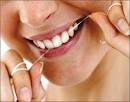
  4. Floss nightly. When flossing, make sure you do a thorough job, says Cram, getting in between teeth to remove bacteria that can pull an all-nighter destroying the enamel on your teeth. Wrap the floss into a C-shape and gently rub it up and down the side of each tooth all the way to the gum and back. Don't neglect your very back teeth, even though there are no teeth behind them.
  5. Don't sneak sugar before bed. All that brushing and flossing won’t do any good if you follow it up with a cookie, glass of milk, or other food or drink that contains sugars, even naturally occurring ones, right before bed. If you do want a snack, make sure you enjoy it before you brush and floss so that the residue doesn't stick to your teeth all night.
  6. Keep a glass of water near your bed. If you sleep with your mouth open and wake up with a dry mouth, take a sip to keep the tissues in your mouth moist.
Making these six simple steps part of your nightly routine can go a long way toward protecting your dental health by preventing cavities and gum disease. You’ll sleep peacefully knowing that your smile is safe.
Reference: Everyday Health By Diana Rodriguez

Thursday, January 23, 2014

Healthy drinks; other than water

Americans continue to guzzle extra calories through sugary drinks like soda. And teens may be among the biggest offenders: Roughly one-third of high school students in the U.S. drink two or more sodas, sports drinks, or other sugary beverages per day, according to the results of a national survey released by the U.S. Centers for Disease Control and Prevention. 


The health dangers of soda are not new. Soda consumption has been linked to an increased risk for heart disease and diabetes, as well as to rising rates of obesity. Recent research from the University of Bangor and Bristol suggests that drinking soda can actually trigger sweet cravings by dulling your sensitivity to sweet tastes, sparking a vicious cycle of eating sweet foods and drinks. “As taste satisfaction levels drop; the more sweet foods are consumed,” Dr. Hans-Peter Kubis from Bangor University’s School of Sport, Health & Exercise Sciences, who led the study, said in a statement.

Isn’t it about time you and your family kicked the soda habit? Get started with one of these healthier low-calorie thirst-quenchers, sure to still satisfy your taste buds.


Spruce Up Water

Flavored waters have been popping up all over the place, but many still contain sugar or artificial sweeteners. A healthier choice is natural flavoring: Just add slices of your favorite fruits and veggies — lemons, oranges, watermelon, cucumber, mint, or limes — to a pitcher of ice-cold water for a refreshing and flavorful drink. Another great option is to put chopped-up fruit in an ice cube tray, add water, and freeze. Place these colorful fruit cubes in your beverage for instant flavor and color!

Go Natural With Green Tea  

Studies of green tea have shown that it may help reduce the risk of several types of cancer, heart disease, hypertension, kidney stones, and possibly even cavities. In addition to this, green tea is calorie-free (if you have it without milk or sugar) and naturally high in antioxidants. You can pick any flavor you enjoy, because green tea is available in many varieties. It can be drunk hot or iced, and if you want a little sweetening, a few drops of honey will serve you well — though most people enjoy it au naturel.

Tonic and Lime…Minus the Gin

Traditionally used as a mixer for alcoholic drinks, tonic has a distinct taste that makes it such a popular base. But you don't need the alcohol to enjoy tonic — simply add a few slices of lemon or lime (or both) and a sprig of fresh mint for a unique and delicious beverage. Many tonic brands contain high-fructose corn syrup or other sugars, so opt for a diet tonic, if possible.

Red Wine Is Fine

Red wine , when consumed in moderation, has been widely reported to reduce the risk for cardiovascular disease. And research on the benefits of this fermented fruit doesn't stop there — red wine may also lower your risk of a heart attack, Alzheimer's disease, and even cancer. The National Institutes of Health recommends that women limit consumption to one drink per day (4 ounces of wine), and men to two drinks per day, in order to reap the benefits. Look for wine without additives, such as sulfites, which can cause headaches and other allergic reactions.

Drink Your Vegetables!

Vegetable juice offers a quick, low-calorie way to get all the benefits of veggies. It also contains much less natural sugar than fruit juices. But vegetable juice can be high in sodium, so opt for a low-sodium version whenever possible. Better yet, make your own fresh juice easily at home with a juicer. Simply add your favorite veggies, and even a few slices of fruit if you want to sweeten your drink, to the juicer — no chopping required! If you prefer a little kick, add some black pepper and a drop of hot sauce.

We are a dental practice devoted to restoring and enhancing the natural beauty of your smile using conservative, state-of-the-art procedures that will result in beautiful, long lasting smiles!
High Standards
A standard of excellence in personalized dental care enables us to provide the quality dental services our patients deserve.  We provide comprehensive treatment planning and use restorative and cosmetic dentistry to achieve your optimal dental health.  Should a dental emergency occur, we make every effort to see and care for you as soon as possible.
Education & Prevention
As a practice, we are true believers that preventive care and education are the keys to optimal dental health.  We strive to provide “dental health care” vs. “disease care”.  That’s why we focus on thorough exams – checking the overall health of your teeth and gums, performing oral cancer exams, and taking x-rays when necessary.  We also know that routine cleanings, flossing, sealants, and fluoride are all helpful in preventing dental disease.  Not only are we focused on the beauty of your smile, we’re also concerned about your health.  A review of your medical history can help us stay informed of your overall health, any new medications, and any illnesses that may impact your dental health.


reference: everyday health.com; Nylaandental.com

Thursday, October 17, 2013

THREE MONTHS TO HEALTHY


When it comes to our health, most of us make a fresh start with the new year. But fall may be an even better time to focus on wellness: You’re not mentally spent from the holidays, and with a bit of effort now, you can go into the crazy season feeling energized and fit. To help you kick things off, Parade dug into the latest research to find 12 simple, proven ways to keep you and your family healthy. Start today, next week, or even next month—and reap the benefits by New Year’s. 


Things to do today ~


Eat breakfast.
The evidence linking a hearty breakfast and a healthy weight keeps getting more convincing: Earlier this year, Israeli scientists put 93 overweight or obese women on a 1,400-calorie-a-day diet and told one group to eat half of those calories at breakfast and the other to eat half at dinner.

Those who ate the big breakfasts lost 10 pounds more after 12 weeks than those who ate the big dinners; they also had lower levels of fats in their blood and better blood sugar levels, reducing the risk of heart attack and type 2 diabetes. One study suggests that half-carb, half-protein breakfasts are the most effective for weight loss—think scrambled eggs with a slice of whole wheat toast. 

Ease stress with sound.

And make it the right kind of sound: In one 2013 study, research­ers played either classical choral music, sounds of rippling water, or nothing at all for three groups of subjects before making them speak and do arithmetic in front of an audience. Those who listened to the water before performing stayed the calmest, producing the lowest amount of the stress hormone cortisol, which has been associated with type 2 diabetes and heart disease.

Don’t live near a stream?


Download a free running water app, such as Fluid Free Live Wallpaper or Koi Pond, on your smartphone. 

Cut down on salt.

(But not as much as you think.) In May, the Institute of Medicine assessed the published research on salt and concluded that Americans— who on average consume about 3,400 milligrams of sodium a day—should reduce their intake to 2,300 milligrams daily to minimize cardiovascular risks. In a controversial twist, the institute did not find enough evidence to support the American Heart Association’s blanket recommendation to decrease salt consumption to 1,500 milligrams a day.

The best way to lower your intake? Skip processed foods like bread, cold cuts, and pizza—salt added at the table or during cooking contributes very little overall.


Things to do Next Week ~

Stick to an exercise schedule. 

Last November, scientists at the National Cancer Institute and other institutions analyzed data from more than 650,000 people and found that those who exercised moderately at least 2.5 hours a week lived nearly three and a half years longer than those who never worked out. Interestingly, weight didn’t factor in: Slender but sedentary people died three years younger than obese folks who made time for physical activity. The Centers for Disease Control and Prevention recommend that ages 18 - 64 engage in at lest 150 minutes of moderate aerobic activity, such as brisk walking, per week, along with two sessions of muscle-strengthening exercises, such as Pilates, Zumba or weight lifting.


Use a dental irrigator. 

We all know that regular flossing is important—it’s a tried-and-true way to prevent gingivitis.

But consider adding an irrigator—which uses a stream of pulsating water to remove plaque from between teeth—to your oral hygiene routine. Irrigators are both effective at fighting plaque buildup and cavities and well suited for people with orthodontic devices or dental implants.  **if you are in need of a
dental irrigator our office recommend the Water Flosser by Water Pik. These can be purchased at our office, or at your local retailer. We do recommend making the purchase through a dental office, as this extends your warranty period and most often there are rebates available through Water Pik that are only offered to dental offices.


Things to do by the end of the Year ~
Volunteer.
 
Philanthropy is all about helping others, but who says you can't get something out of it, too?  A meta-analysis of five long term studies published in August reported that people who volunteered were, on average, 22% less likely to die over a period of four - seven years than similar people who didn't volunteer. "Helping others may lower some well-known cardiovascular risk markers," says study author Hannah Schreier, PhD, A post doctoral fellow at the Icahn School of Medicine at Mount Sinai in New York City. 


Buy more houseplants. 


The inside of your home is often more polluted than the outside, according to the U.S. Environmental Protection Agency. That’s because we generate toxic fumes when we cook and clean. But researchers at NASA and other institutions have shown that certain houseplants effectively reduce home levels of pollutants—even cancer-causing ones such as formaldehyde and benzene. Two great choices, they found, were gerbera daisies and ficuses.


Reference:
Grand Rapids Press - Parade
By Melinda Wenner Moyer


Thursday, May 23, 2013

Stress Busters - Here are five ways to put tension to rest


Managing your stress is important to your overall health. If chronic stress is left untreated, it can result in many serious health conditions, including high blood pressure, insomnia, a weakened immune system, anxiety and muscle pain. 

When stress is at its peak, it's hard to find the time to take a break, relax and regroup. To reduce stress, try these simple tips:

Get active: You don't have to be an athlete. Any kind of physical activity can act as a stress reliever. Try walking, dancing, swimming. The most important thing is to get moving.

Connect: When you are stressed and busy, it is easy to close yourself off and start to feel disconnected. Reach out to friends and family or join a group exercise class to keep yourself plugged in.

Laugh: Maximize your happiness by a good laugh, even if it is forced. Laughter triggers a relaxing response naturally within your body. At the very least smile. Smiling triggers a similar relaxing response within your body.

Meditate: Meditation helps you declutter your thoughts and refocus your attention. This time benefits both your emotional well-being and overall health through instilling a sense of calmness, peace and balance. Yoga is a great way to learn to begin to listen to your body and relieve tension. If you have never tried yoga, this is a perfect time to visit the YMCA. We have classes for every level. You will be surprised at how good you feel when you are done.

Sleep: You have too much to do and too much to think about, leading to many restless nights. Try to stick to a consistent, relaxing bedtime routine. Listen to soothing music and limit screen time before bed. Invest in a Snore appliance for your bed mate or a Sleep Apnea appliance for yourself if this is disrupting your sleep.

 Reference:
By Deborah MacDonald
Healthy Living Program Specialist

Thursday, March 7, 2013

VELscope - the dental exam that could save your life

Oral Cancer kills 1 person every hour
 
24 hours each day.
 
Our goal is to reduce that number.

The VELscope oral cancer screening is the most powerful tool available for assisting in the discovery of oral abnormalities. The VELscope's distinctive blue-spectrum light causes the soft tissues of the mouth to naturally fluoresce. Healthy tissues fluoresce in distinctive patterns — patterns that are visibly disrupted by trauma or disease. Using the VELscope, a wide variety of oral abnormalities can be discovered — often before they're visible to the unassisted eye.

Discovering soft tissue abnormalities is particularly important in the fight against oral cancer. Because the VELscope  assists in early detection, cancer can be caught before it has time to spread, potentially saving lives through less invasive, more effective treatment.


Used on a regular basis, the VELscope helps our office to find a wide variety of soft-tissue abnormalities, allowing practices to aspire to an advanced level of patient care. The VELscope is:
  • completely safe
  • simple to use
  • no unpleasant rinses or stains
  • entire exam in about two minutes.
VELscope oral cancer screenings play a crucial role in saving lives. Make the investment in your health by having a VELscope oral cancer screening performed. If not for yourself, for the ones you love.
Dr. Oz demonstrates the VELscope oral cancer screening on his show. View here.

How to be as healthy as possible. View here.

Request an appointment.

Previous Blog Post regarding Oral Cancer

references:
Oral Cancer Foundation
VELscope